
I remember a client in downtown Kansas City who poured thousands into SEO efforts, only to see their ranking flatline. They kept asking me, “Why isn’t our website showing up more often?” It hit me then—many local businesses stumble because they get caught in the same traps, even as SEO evolves rapidly. I’ve been there too, making early mistakes that cost me valuable time and resources. But here’s the truth: understanding the common pitfalls can save your campaign from wasting money and frustration.
Why Ignoring Local Signals Doomed My First Campaign
Back in the day, I believed ranking factors were universal—not considering how local signals like Google Maps rankings influence your visibility. My mistake was overlooking the importance of GMB (Google My Business) optimization, which is crucial for Kansas City businesses aiming for local dominance. Research shows that 78% of local mobile searches lead to an offline purchase within a day, highlighting how vital local SEO conversions are (source). If your business isn’t optimized for local search, you’re invisible to a huge chunk of potential customers.
Is Local SEO Still Worth the Hype?
That’s a fair question. Especially when so many campaigns falter despite investing heavily. My initial approach was to focus on broad keyword rankings, neglecting local signals and Google Maps rankings. This cost me precious leads. The lesson? Local SEO isn’t just a trend; it’s a necessity, particularly for Kansas City-based businesses, which thrive on neighborhood visibility and local trust. For concrete strategies tailored to the area, check out local search tactics that really work.
Now that we’ve established why many campaigns fail early on, let’s explore what you can do to turn things around in 2026. But first, have you ever faced the frustration of pouring resources into SEO only to see little to no results? If so, you’re not alone—and this guide is designed to help you dodge the same pitfalls I once did.
Optimize Your Google My Business Profile for Maximum Impact
Start by claiming and verifying your Google My Business (GMB) listing if you haven’t already. This is your storefront in the digital world. Ensure your NAP (Name, Address, Phone number) is accurate and consistent across all platforms. Use keyword-rich descriptions to highlight what sets your business apart, and select relevant categories to improve local relevancy. Regularly update your GMB with fresh photos, posts, and special offers to engage potential customers. When I worked with a local café in Kansas City, fine-tuning their GMB profile increased their clicks and calls by over 30% within a month—a clear sign that proper optimization pays off. For advanced tactics, explore this comprehensive guide.
Harness Local Keywords to Catch the Right Audience
Identify keywords your local customers are searching for by using tools like Google Keyword Planner or SEMrush. Focus on long-tail keywords that specify your neighborhood or district, such as
Many local businesses assume that simply optimizing for popular keywords or updating their GMB profiles occasionally is enough to dominate Kansas City’s competitive SEO landscape. However, this is a misconception rooted in oversimplification. In my experience, an overlooked nuance is the importance of hyper-local content that resonates with specific neighborhoods. For instance, targeting general “Kansas City restaurants” without emphasizing neighborhood-specific pages, like “Westport’s Best Burgers,” diminishes your chances of ranking high in local searches. According to expert insights from this comprehensive guide, integrating community-specific keywords enhances local relevance and increases foot traffic.
Another common myth is that Google Maps rankings are solely controlled by traditional signals like citations or reviews. While these factors are significant, a hidden trap is neglecting the technical SEO behind your Google My Business listing and website. For example, inconsistent NAP data not only confuses customers but also hampers your local pack visibility. I’ve seen many Kansas City businesses fall into the trap of duplicate listings, which dilute their authority and impact rankings negatively. Regularly auditing your citations through tools and ensuring consistency is essential, as emphasized in this resource.
Why Do So Many Advanced SEO Strategies Miss the Mark in Missouri?
Advanced tactics like schema markup, localized backlinks, and user engagement signals are often touted as game-changers. Yet, in Missouri’s competitive market, their real value hinges on deep contextual relevance and strategic implementation. Simply adding schema to your site or acquiring backlinks from unrelated sources won’t yield sustainable growth. Instead, focus on building relationships with local influencers and partners, then earning backlinks naturally. Expert sources note that local engagement boosts both user signals and domain authority, which are critical for outranking competitors (see this guide for detailed tactics).
Moreover, avoid falling into the trap of complacency after initial successes. SEO is a dynamic process—what worked last year might be ineffective now. Regularly updating your strategies based on nuanced data and shifting search behaviors is key. For instance, with the rise in voice searches in Kansas City, optimizing for conversational queries can give an edge. Consider leveraging structured data and content themes around local events and news to stay ahead. For sophisticated tactics tailored specifically to Kansas City, I recommend exploring this advanced resource.
Ultimately, mastering Missouri’s local SEO scene requires recognizing these nuanced factors and avoiding common pitfalls. If you relate to the frustration of pouring resources into campaigns that underperform, know that refining your focused approach can unlock new visibility levels. Remember: consistent, contextually relevant, and technically sound strategies outperform generic tactics every time. Have you ever fallen into this trap? Let me know in the comments.
Invest in Reliable Tools for Consistent Success
To ensure your Kansas City SEO campaigns stay effective over time, leveraging the right tools is crucial. I personally rely on BrightLocal for citation audits and consistency checks, as it provides an in-depth look at local listings and helps prevent duplicate or inaccurate citations that could harm your Google Maps rankings (see this resource). For tracking local keyword performance, SEMrush offers granular data tailored to specific neighborhoods, enabling me to refine content and keyword strategies effectively. Additionally, Google Search Console remains indispensable for monitoring site health and understanding long-term performance trends—it’s free and insightful.
Automate and Streamline Your Maintenance Routine
Regular updates and checks can become overwhelming, but automation helps. I use Zapier to connect various tools, such as automatically updating GMB posts or syncing citation clean-up reminders with my calendar. Setting up these workflows saves hours each week, ensuring that your local SEO strategies, like Google Maps optimization, stay current without manual intervention. Remember, consistency is key for maintaining high rankings and trustworthiness among your local audience.
Focus on Technical SEO to Future-Proof Your Campaigns
One often-overlooked aspect is maintaining your website’s technical health. Ensure your site is mobile-friendly, fast-loading, and properly structured with schema markup. Regular audits using tools like Screaming Frog help identify crawl issues or duplicate content, which can silently erode rankings. As search behavior shifts—think voice search and AI-driven queries—adapting your site’s structure ensures it remains relevant and easily discoverable in local searches (see advanced strategies here).”}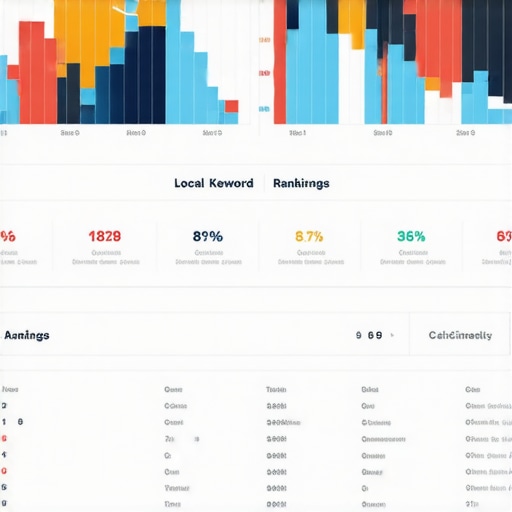 : “A screenshot of SEMrush dashboard showing local keyword rankings and citation consistency analysis. Alt text: Local SEO tools dashboard with keyword and citation data. Title: Managing Kansas City Local SEO with SEMrush”} ,
Throughout my journey with Kansas City SEO, I’ve stumbled upon insights that transformed my approach and delivered real results. Sharing these lessons can help you avoid common pitfalls and accelerate your local visibility. Here are some lightbulb moments from my experience:
- Local signals are your secret weapon: Ignoring the impact of Google Maps rankings and local cues can leave you invisible in your community. Prioritize GMB optimization, ensuring NAP consistency and regular engagement, to truly become part of the neighborhood’s fabric.
- Hyper-local content spells the difference: Focusing solely on broad keywords misses the opportunity to connect with specific districts or neighborhoods. Creating dedicated pages or content around local areas like Westport or Power & Light can dramatically boost your local relevance.
- The technical side is often overlooked: Fast, mobile-friendly sites with proper schema markup are essential to stay ahead, especially with voice searches on the rise. Regular audits and technical fixes keep your website primed for local discovery.
- Building genuine local relationships matters: Earning backlinks from community influencers and participating in local events not only boosts your site’s authority but fosters trust—something no algorithm update can easily diminish.
- Stay adaptable with data-driven tweaks: Search trends change fast. Leveraging tools like SEMrush and BrightLocal helps me identify shifts and refine strategies, ensuring long-term success rather than short-lived spikes.
Fortify Your Kansas City SEO Arsenal with Trusted Resources
Having the right tools and sources makes all the difference. For seamless citation management and local listing accuracy, I rely on BrightLocal. It keeps my citations clean, boosting my Google Maps visibility. When tracking keyword rankings and competitor activity, SEMrush is my go-to—it offers granular insights tailored for Kansas City neighborhoods. And for ongoing website health, comprehensive guides and audits from experts help me stay on top of technical health and emerging trends. Layering these resources empowers me to stay ahead in Missouri’s competitive local search landscape.
Your Next Step: Leave No Stone Unturned in Your SEO Quest
Embracing these lessons and leveraging top-tier tools can dramatically change your local visibility and growth trajectory. SEO is a continuous process—staying vigilant and adaptable ensures your Kansas City business remains top-of-mind for local prospects. Ready to elevate your Google Maps game and dominate the local scene in 2024? Start implementing these strategies today and watch your presence flourish.
What’s your biggest challenge in local SEO right now? Share your story below—I’d love to hear and help you find solutions!
,

This article truly hits home—local SEO can be a complex puzzle, especially when it comes to managing Google My Business profiles effectively. I’ve realized over time that ‘hyper-local’ content isn’t just a buzzword; it’s essential for standing out in a crowded neighborhood. Last year, I focused heavily on broad keywords, but after optimizing a few neighborhood-specific landing pages, the uptick in local engagement was clear. The subtle difference in targeting Westport versus Kansas City as a whole made all the difference. It made me wonder: how do others balance the need for broad visibility with the hyper-local approach, especially in a competitive market like KC? Do you find that focusing too much on local content risks neglecting broader strategies or vice versa? I’d love to hear insights or success stories regarding this balance.
Your post hits on a really important aspect of local SEO—neglecting local signals can seriously undermine efforts, even with a solid website. I’ve seen firsthand how optimizing GMB profiles with the correct NAP info, regular posts, and quality photos can make a measurable difference in local visibility. The part about hyper-local content really resonates with me; I’ve learned that creating neighborhood-specific landing pages tailored to areas like Westport or Crossroads helps capture more targeted traffic. However, I do wonder how many small businesses struggle to balance this hyper-local focus with their broader branding strategies. Have you noticed if over-emphasizing local content might sometimes lead to missing out on bigger, brand-wide keywords? In my experience, a hybrid approach often works best—maintaining core branding while honing in on neighborhoods or districts. What are some of your favorite methods for managing this balance? It’s definitely an ongoing challenge in Kansas City’s competitive market but finding that sweet spot can really pay off.