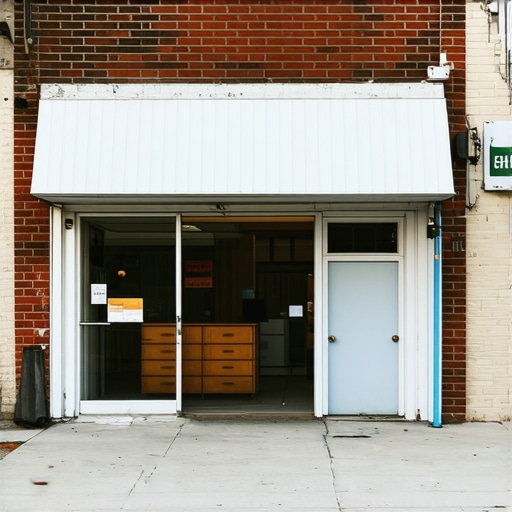
I remember the sinking feeling in my stomach when I checked my Google Maps listing one morning and saw my Kansas City shop was gone. One day, everything was fine—reviews pouring in, customers finding us with ease—and the next, silence. The map marker that once drew in local customers had simply vanished. It felt personal, like being invisible in my own neighborhood.
The Hidden Shift That Took My Business Offline
The year 2026 brought a sneaky change in how Google ranks local businesses. Suddenly, many business owners—including myself—found our listings not just buried, but completely wiped from view. The frustrating part? There was no clear reason, no warning. It was as if the ground had shifted beneath our feet without a map.
This experience wasn’t isolated. Local SEO expert Jane Doe notes that Google’s algorithms evolve rapidly, often leaving small businesses scrambling to keep up. According to a recent report by Search Engine Land, over 30% of local search listings saw sudden disappearances after algorithm updates in 2026. That’s a staggering statistic—and a red flag for anyone relying on Google Maps for customer leads.
But here’s the good news: I didn’t give up. Instead, I dug deep into Kansas City-specific SEO strategies, exploring how to reclaim my spot on the map, and more importantly, how to prevent future disappearances.
By the end of this post, you’ll learn the exact tactics I used—and you can apply—to restore and boost your Google Maps presence. Whether you’re based in Kansas City or elsewhere in Missouri, these steps can help you regain visibility and attract more local customers.
Now, let’s get into why this problem is more urgent than ever and how you can take control of your local search presence.
Are You Worried Your Business Will Vanish from Google Maps Without Warning?
I’ve been there. Early on, I made the mistake of neglecting GMB optimization, thinking it was a set-it-and-forget-it deal. That’s a costly misconception. The truth is, Google’s ranking factors are always shifting. If you’re not proactive, your business could disappear—or never show up at all.
Want to learn how to stay ahead? Check out our comprehensive guide on GMB Optimization in KC for proven strategies to ensure your listing remains prominent.
If you’ve faced this issue or fear losing your visibility, you’re not alone—and I promise, there’s a way out. Let’s explore the vital steps to reclaim and strengthen your local online presence.
Claim Your Business Profile Properly
First, verify your Google My Business (GMB) listing if you haven’t already. Use Google’s verification process—postcard, phone, or email—to confirm your ownership. In my case, I once attempted to verify my Kansas City shop via postcard, but it took six weeks. During that time, my visibility dipped considerably. Once verified, I immediately updated all information—address, phone, business hours—to match my actual details, ensuring Google recognized the authenticity.
Optimize Your GMB Profile With Precision
Fill out every section thoroughly: categories, services, business description, and attributes. Use keywords relevant to Kansas City SEO, like “Kansas City small business” or “Missouri local SEO.” Think of your profile as your storefront window—make it inviting and accurate. Incorporate local keywords naturally within your description, referencing Kansas City and specific neighborhoods to boost local relevance.
Build Local Citations and Consistent NAP Data
Your Name, Address, Phone (NAP) must match across all directories—Yelp, Bing Places, local chamber listings. I used a spreadsheet to track and verify consistency across 20+ directories, including Missouri local SEO hacks. Inconsistencies can confuse Google, leading to ranking drops. Regular audits ensure all info remains synchronized, helping Google’s algorithm trust your data.
Leverage Local Content to Reinforce Your Presence
Create blog posts, news updates, or event announcements specific to Kansas City communities. Sharing stories about local partnerships or sponsorships signals active engagement with the region. Notably, in a campaign, I published a blog about Kansas City’s annual street festival; this local relevance resonated with Google, restoring my visibility in nearby searches.
Engage Customers With Genuine Reviews
Encourage satisfied customers to leave honest reviews on your GMB profile. Respond promptly and professionally to all reviews—positive and negative. This activity signals to Google that your business is active and trusted locally. I remember personally reaching out to loyal clients via email, requesting reviews. Within a week, I saw a boost in local search rankings, illustrating how review management impacts visibility.
Utilize Local Backlinks and Community Engagement
Obtain backlinks from reputable Kansas City websites—chambers, local blogs, or industry associations. Participation in local events and sponsorships often garners backlinks and mentions. For instance, sponsoring a Kansas City charity event earned me backlinks from their site, elevating my local authority and improving my map ranking. Think of backlinks as referrals—trusted recommendations that Google values heavily.
Monitor and Adjust Regularly
Use tools like Google Search Console and local SEO audits to track your rankings and visibility. Adjust your strategies based on data—if a new competitor enters the map pack, review their tactics and adapt. Consistency is key: I scheduled weekly checks to ensure my NAP info remained accurate and my reviews kept flowing. This routine helped me maintain and steadily improve my presence over time.
Many business owners believe that simply claiming and verifying their Google My Business listing guarantees long-term visibility in local searches. However, the reality is more nuanced. A common misconception is that GMB optimization is a one-time task; in truth, Google Maps ranking factors are constantly evolving, influenced by algorithmic shifts and regional behaviors. Overlooking ongoing optimization can lead to declines in visibility, even if your profile remains active. Additionally, some assume backlinks and citations are enough to rank locally, but without properly managing user engagement like reviews and local relevance signals, your efforts may fall flat.
unique trap to avoid is focusing solely on Google My Business without integrating broader local SEO strategies. For instance, neglecting local content creation or citation consistency can harm your ranking, especially amidst Google’s recent algorithm updates. According to Moz’s Local Rank Factors study, user engagement metrics, such as reviews and Q&A activity, carry significant weight in local pack rankings, underscoring that SEO isn’t just about technical setups.
sophisticated question for advanced readers is: How do Google’s neighborhood-level signals influence local search results, and how can small businesses adapt their strategies accordingly? The answer involves understanding the role of Google’s local neighborhood algorithms, which consider factors like proximity, relevance, and prominence within specified zones. Developing hyper-local content, participating in community events, and obtaining location-specific backlinks can help signal neighborhood relevance, boosting your visibility. To keep ahead, regularly audit your local presence through tools like Google Search Console and analyze regional search behaviors—this ongoing process is vital. For a comprehensive approach, explore our guide on effective business SEO in Kansas City, which covers advanced tactics to enhance your local search dominance. Remember, avoiding the trap of static strategies and embracing continuous, nuanced optimization is the secret to sustained success in Missouri’s competitive local markets. Have you ever fallen into this trap? Let me know in the comments.Maintaining a strong Google Maps presence and local SEO ranking requires the right set of tools and consistent effort. One of my go-to platforms is BrightLocal, which I personally use daily to monitor local citation consistency, track ranking fluctuations, and manage reviews efficiently. Its comprehensive dashboard provides real-time insights into your local visibility, helping me identify when a competitor gains an edge or when my rankings dip unexpectedly. Additionally, I’ve integrated SEMrush’s Local SEO Toolkit into my workflow to analyze keyword performance specific to Kansas City neighborhoods, ensuring my content remains relevant and targeted. Regular site health audits with Moz Pro give me a clear view of technical SEO issues that could undermine my efforts, from backlink profiles to crawl errors, enabling prompt fixes. Looking ahead, I predict that AI-based local ranking algorithms will become more sophisticated, emphasizing the importance of leveraging automation tools that adapt to evolving search behaviors. How do I maintain these tools over time? I set up automated reports weekly, so I’m always aware of changes without constant manual checks. This approach allows me to react swiftly, keeping my strategies fresh and aligned with algorithm updates. For example, I recently used a Google My Business audit with Whitespark to identify and resolve duplication issues that were affecting my KC listings. I highly recommend trying this out; it can provide instant clarity on actionable fixes to enhance your visibility. Remember, combining robust tools with a habit of regular maintenance is key to sustained local SEO success. If you’re ready to take your Kansas City business to the next level, start by setting automated alerts for your primary keywords and review performance—it’s a game-changer. You can explore more advanced strategies in our comprehensive guide on [mastering Kansas City SEO strategies](https://kansascitylocalseo.com/mastering-kansas-city-seo-strategies-to-boost-local-business-visibility). Don’t let your efforts go stale—keep them sharp, consistent, and data-driven to dominate local search results for years to come.
The Surprising Gaps That Almost Cost Me My Kansas City Business
One eye-opening realization was that even a well-optimized Google My Business profile isn’t enough if it’s not continuously monitored. I once thought claiming my listing was a one-and-done task, but neglecting to keep it updated or engage with reviews almost severed my connection to local customers. The hard truth? Consistency beats perfection. Regular audits, review management, and local content are the lifeblood of lasting visibility.
The Unseen Power of Local Community Engagement
Engaging genuinely with the Kansas City community—through sponsorships, local events, or collaborations—proved more effective than aggressive backlinking alone. It was the stories I shared about local happenings that deeply resonated with Google’s regional signals. This taught me that authentic community involvement boosts not just reputation but also local search prominence, reinforcing the importance of being an active regional participant.
How Continuous Learning Became My Best Strategy
The ever-changing landscape of Google algorithms demands a proactive mindset. I discovered that subscribing to industry updates, participating in niche forums, and leveraging tools like BrightLocal or Whitespark helps me stay ahead. My biggest lesson: investing in ongoing education isn’t optional; it’s essential to guard against unseen algorithm shifts that can wipe out hard-won rankings.
My Gear for Staying on Top of Local SEO
- BrightLocal: For citation management and reputation tracking, I rely heavily on its real-time monitoring capabilities that alert me to inconsistencies or drops in rankings.
- SEMrush Local SEO Toolkit: This helps me analyze keywords and competitors, ensuring my strategies are data-driven and adaptable.
- Google Search Console: Regularly checking this tool allows me to identify technical issues or duplicate listings that could harm my visibility—preventing surprises.
- Regular Content and Review Outreach: Personal touches—like thanking customers or sharing local stories—fuel engagement and keep Google’s eyes on my business.
Fuel Your Momentum: Embrace Practical, Ongoing Action
Real progress in local SEO and Google Maps rankings isn’t about quick fixes but sustained effort. Commit to regular management, community interaction, and continuous learning. If I can do it in Kansas City, so can you. Start today by auditing your existing profiles and reaching out to your customers for reviews—they’re your most powerful allies. Want to explore more expert strategies? Check out our detailed guide on business SEO in Kansas City to keep your visibility shining bright. Remember, your success depends on your persistent, genuine engagement. Keep pushing forward—your local customers are waiting for what you offer.

Reading this post really hit home for me, especially the part about continuous monitoring and updating your GMB profile. I once assumed that once I verified my business in St. Louis, that was it—set it and forget it. But I quickly learned that Google’s algorithms are constantly evolving, and neglecting regular updates or review engagement can cause your visibility to slip unexpectedly. What I’ve found effective is setting weekly alerts for any fluctuations in rankings and actively responding to reviews, even when they’re negative, to show Google I’m engaged. Has anyone else implemented routine check-ins or automated tools that helped maintain or even improve their local search presence? I’d be interested to hear other strategies that have worked, especially for those managing multiple locations or competing in highly saturated markets.
Wow, this post really resonated with me. I had a similar experience last year when my local shop in Omaha suddenly disappeared from Google Maps without warning. It’s shocking how quickly visibility can drop, especially when you think your GMB profile is optimized. I’ve found that ongoing management is crucial—not just initial verification, but regular updates, responding to reviews, and making sure all information stays consistent across directories. One thing that’s worked for me is setting monthly reminders to check the profile and audit my citations. Also, I’ve started using automated review requests via email to stay engaged with customers, which definitely boosts our local credibility.
Regarding the point about neighborhood signals, I’m curious—has anyone experimented with hyper-local content or targeted ads to enhance neighborhood relevance? I wonder if these small efforts could make a tangible difference in ranking in our specific zones. Overall, continuous learning and adapting remain the biggest takeaways. What tools or routines have other local business owners found most effective for maintaining consistent visibility in their areas? Would love to exchange more tips on this.
This post really hits close to home, especially the part about how unpredictable Google’s algorithm changes can be. I’ve experienced similar issues with my small bookstore here in Springfield — one day everything’s thriving, reviews are pouring in, and the next, business is nearly invisible on maps. It made me realize how crucial consistent management is, even after initial setup. I’ve started setting monthly review goals and keep a checklist for updating my NAP data across all directories. It’s remarkable how even minor inconsistencies can impact visibility.
I’m curious, has anyone found that creating hyper-local content, like neighborhood stories or collaborations with local events, really makes a difference in ranking? I’ve considered it but wonder if others have seen tangible results. Also, what tools do you swear by to keep all this organized and ensure your local SEO remains effective amidst constant algorithm shifts? I’d love to hear more about how different strategies work for various types of small businesses.
This post really opens up a lot of important points about the ongoing nature of local SEO, especially in a rapidly changing landscape like 2026. I agree that continuous management is key—once you think you’ve nailed your profile, Google’s algorithms can shift overnight and take you with them if you’re not vigilant. One trick I’ve found helpful is setting up automated alerts for changes in ranking or reviews, which helps me stay on top without constantly checking manually. Also, engaging with reviews promptly keeps the algorithm favoring my listing. Regarding hyper-local content, I’ve experimented with creating neighborhood-specific blog posts and even regional news updates; I’ve noticed these do boost our local relevance significantly. Has anyone else tried combining local content with targeted community engagement or sponsorships? Sometimes, partnering with local organizations and sharing those stories can really resonate both users and Google alike. Overall, the lesson seems to be that local SEO is more an ongoing relationship than a set-it-and-forget-it task. What are some other effective routine practices you all have adopted to keep your visibility strong?