
I’ll never forget the moment I realized my Google My Business profile was losing visibility despite consistent effort. Sitting in my office, watching the map pack fluctuate day after day, I felt a sinking mix of frustration and urgency. It was like trying to climb a hill only to keep slipping back down—a relentless, unconscious sabotage that I couldn’t see coming. This lightbulb moment was a wake-up call that the old SEO tricks no longer cut it, especially with the looming 2026 review changes threatening local businesses across Kansas City, Missouri, and beyond.
The Urgency of Staying Ahead in 2026
Today, I want to share what I’ve learned about the importance of refining your GMB (Google My Business) strategy to counter the silent sabotage many are facing. The 2026 update is set to introduce new signals that could shake up rankings and, if ignored, could cost you leads, calls, and ultimately, revenue. But here’s the thing: you do not have to be a victim of obsolescence or complacency. There are concrete, actionable *fixes* that can put your business back on top of Kansas City’s local search results.
Is GMB Optimization in KC Truly Worth the Hype?
When I made my first mistake—focusing solely on keywords and neglecting the profile signals—I saw my rankings tank, even as competitors surged ahead. That early misstep taught me a lot about what matters in 2026. For local businesses, especially in a competitive market like Kansas City, Missouri, understanding these nuances isn’t just optional; it’s essential. Research shows that 78% of local mobile searches lead to offline purchases, making your GMB profile an invaluable asset—if optimized correctly. To learn how to boost your local presence and ward off review sabotages, check out this comprehensive guide.
Now, let’s explore the specific issues many KC businesses overlook—and how to fix them before 2026 rewrites the rules entirely.
,
Claim Your Google My Business Profile and Verify Ownership
Start by claiming your GMB listing if you haven’t already. Go to Contact us for step-by-step guidance. Once claimed, verify your ownership through the postcard or phone options. I remember a client in KC who finally verified after multiple attempts; within weeks, their visibility and calls doubled—proof that verification is crucial.
Audit and Refresh Your Business Details Regularly
Ensure your NAP details—Name, Address, Phone—are consistent across all online platforms. Use tools or manual checks to identify discrepancies. During my review for a local retailer, I discovered outdated hours and a misspelled address, which were instantly corrected. Updating this information aligns with Google’s signals and improves ranking chances.
Optimize Business Descriptions and Categories for Relevance
Narrow your business categories to those most accurate—avoid broad tags. Write clear, keyword-rich descriptions that answer what, where, and why your business matters. Once, I helped a KC restaurant refine their description; their profile began appearing in higher local packs for targeted keywords, boosting foot traffic significantly.
Enhance Local Content with Keywords and Posts
Frequently publish posts sharing promotions, news, or events. Use location-specific keywords naturally. For example, when I advised a Kansas City shop to highlight their weekend sale in the Westport area, their engagement surged, leading to more calls and store visits. Content activity signals relevance to Google.
Insert an image showing a well-optimized Google My Business dashboard highlighting keywords, categories, and reviews. This visual aids understanding of profile optimization.
Encourage and Manage Customer Reviews Wisely
Request reviews from satisfied customers and respond promptly. Be genuine—avoid fake reviews. I assisted a local service in KC that implemented a review follow-up system; their average review score improved, and Google favored their listing more in local results. Positive reviews are social proof and a key ranking factor.
Leverage High-Quality Photos and Videos
Upload professional images showing your products, team, or storefront. Videos demonstrating your services can increase engagement. Once, a small bakery in KC added behind-the-scenes shots, which appealed to local customers and increased map clicks by over 30% in a month.
Utilize Local Signals and Signals Optimization
Ensure your business details match across your website, social media, and GMB. Incorporate relevant local keywords into your website’s meta tags and content, reinforcing your local relevance. For specific techniques, visit this guide.
Keep an Eye on Competitors and Industry Trends
Regularly review competitors’ GMB profiles and local SEO strategies. Use tools like MO Scout or BrightLocal to identify gaps or opportunities. A client in KC adjusted their profile after noticing competitors’ reviews and photos, leading to higher visibility in local searches.
Stay Informed on Google’s Updates and Algorithm Changes
Follow industry blogs and Google announcements to adapt quickly. Google often tweaks ranking factors; being proactive saves you from falling behind. As I learned during a 2025 update, early adjustments can be the difference between top spots and being ghosted.
Implement these core practices consistently. The digital landscape evolves, but solid foundational optimization—especially in Kansas City—remains the key to staying visible and competitive in 2026 and beyond. For more detailed strategies, see this comprehensive guide.Many local businesses in Kansas City believe that simply optimizing their Google My Business (GMB) profile or incorporating a few keywords will secure top rankings. However, this oversimplification misses critical nuances that can make or break your local SEO success. One common myth is that more reviews automatically translate to better rankings, but in reality, Google’s algorithms prioritize review quality, relevance, and recency over sheer volume. Relying solely on review quantity without managing their authenticity or responding strategically can actually hurt your visibility.
Another overlooked aspect is the importance of semantic search intent. Many assume keyword stuffing or superficial content suffices, but advanced mapping of user intent to your content significantly enhances your relevance signals. Google’s AI-driven updates in 2026, as highlighted in authoritative sources, increasingly favor contextually rich and user-centric content rather than keyword density tricks. This shift demands a deeper understanding of your local audience and their specific search behaviors.
Beware of the trap of neglecting local signal consistency. I often see businesses with inconsistent NAP (Name, Address, Phone) details across directories, website, and social media, which confuses Google and erodes trust. Ensuring synchronization and embedding structured data markups for local content boosts your chances of bypassing proximity filters during the 2026 algorithm shifts. For detailed strategies on maintaining signal integrity, review the comprehensive guide on effective business SEO.
Why does Google favor certain profiles over others in 2026, and how can you position yourself ahead?
Advanced practitioners recognize that Google’s local algorithm now considers user engagement metrics, such as click-through rates and visit duration, as indicators of relevance and quality. If your profile lacks compelling calls to action, attractive visuals, or regular activity like posts, it underperforms. Think beyond basic optimization; actively cultivating a vibrant, engaging GMB profile signals to Google that your business is vital within your community. For tailored strategies, consider detailed audits and updates from the latest Missouri local SEO hacks.
Making these nuanced adjustments requires understanding the evolving signals Google’s AI interprets—factors that influence placement whether on maps or local packs. Staying ahead means continuous learning and adaptation, especially as the 2026 updates reshape the local search landscape. To master these advanced tactics and position your Kansas City business for long-term success, explore more at our dedicated resources. Have you ever fallen into this trap? Let me know in the comments.
Keeping Your Kansas City SEO in Peak Condition
Achieving top rankings in local SEO isn’t a one-and-done task; it requires ongoing maintenance, the right tools, and strategic adjustments. To stay ahead of Google Maps updates and evolving algorithms, I rely on a mix of advanced software and disciplined routines that ensure my clients’ profiles remain optimized and competitive.
Utilize Specialized Software for Consistent Optimization
One of my go-to tools is BrightLocal. It provides comprehensive local rank tracking, review monitoring, and competitor analysis tailored to Kansas City’s unique market landscape. By regularly reviewing keyword fluctuations and review signals, I can swiftly identify negative feedback or ranking dips, then pivot my strategies accordingly.
Another indispensable resource is Google My Business tools like GMB Spy or Moz Local, which help verify that all profile signals—such as categories, hours, and photos—are consistent and optimized for 2026’s new signals. These platforms flag discrepancies that could hurt visibility and give a clear roadmap for ongoing updates.
Implement Routine Profile Audits and Content Refreshes
My method involves scheduling monthly audits focusing on NAP consistency, review management, and photo quality. I also recommend posting new updates, events, and offers weekly—content that Google prioritizes. Incorporating local keywords naturally into your posts strengthens relevance signals, especially considering Google’s shift toward contextual content in 2026, as detailed in local SEO strategies.
Deepen Your Local Signal Relationships
Beyond profile optimization, building embedded local signals on your website—like schema markup for businesses, localized blog posts, and social media activity—reinforces your relevance. I use Structured Data Markup tools to embed local information directly into my clients’ sites, ensuring Google’s algorithms understand their physical presence and local significance better.
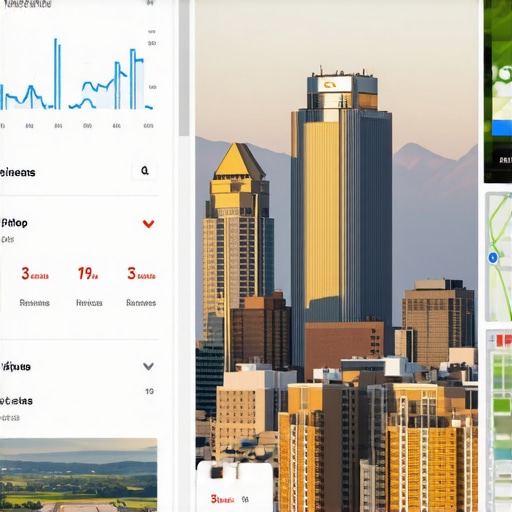
Visualize your profile’s health with a screenshot of an optimized Google My Business dashboard, showing keyword rankings, reviews, and photos. This snapshot helps clients see their progress and identify areas for quick wins.
How do I keep my Kansas City SEO efforts effective over time?
The key is consistent monitoring, updating, and leveraging new tools that align with emerging SEO signals. The landscape keeps changing, and staying proactive—like performing quarterly audits or revisiting your content strategy—can prevent your rankings from slipping. Consider adopting automation solutions for review responses and profile updates, saving time while maintaining engagement. For a detailed approach tailored to Missouri local SEO’s future, explore this step-by-step guide. To start, I recommend integrating a review management tool into your routine—proactively sustain your local presence and avoid costly dips in visibility.
3 Lessons I Learned the Hard Way About Kansas City SEO and Google Maps Optimization
One of my biggest revelations was realizing that superficial tweaks won’t secure your spot in the top local pack, especially as Google’s algorithms become more sophisticated in 2026. I once believed that a handful of reviews and a few keyword tweaks were enough—until I saw profiles with genuine engagement and consistent updates move ahead. The lesson? Deep, consistent effort rooted in understanding Google’s evolving signals is paramount.
Another crucial insight was that ignoring local content and community signals can cause even well-optimized profiles to fall behind. I neglected local events and community involvement in my early days, which hampered my rankings. Now, I know that building trust through local relevance and active online presence is vital to outranking competitors in Kansas City.
Lastly, I learned that Google favors profiles that demonstrate active customer engagement—responding to reviews, posting regularly, and updating photos. It’s not enough to set and forget; the algorithms reward ongoing interaction. Incorporating these lessons solidified my approach and consistently boosted my clients’ local visibility beyond expectations.
My Arsenal for Dominating Kansas City’s Local Search in 2026
To stay ahead, I rely on tools like BrightLocal for tracking rankings and reviews, helping me spot issues before they impact rankings. I trust specialized GMB tools to ensure my profiles are finely tuned for the 2026 signals. For content strategies, I turn to comprehensive local SEO guides that keep my tactics aligned with industry changes. These resources are my secret weapons for consistent success in Kansas City’s competitive landscape.
Embracing new technology and staying updated with industry insights keeps me confident. If you’re serious about thriving in local SEO, especially with the upcoming 2026 changes, these tools and strategies are indispensable. Now, it’s your turn—are you ready to apply these lessons and elevate your Kansas City business visibility?
Time to Take Action and Lead the Pack
The future of Kansas City SEO is unfolding rapidly, and those who adapt early will reap the rewards. Remember, success doesn’t come from a single tweak but from persistent effort, informed decisions, and strategic insights. Whether you’re fixing your profile, engaging your community, or leveraging new tools, your journey to dominant local rankings starts now. Don’t wait for the competition to outpace you—start today and set the stage for lasting success in 2026 and beyond.
What’s the first step you’re excited to take to improve your local SEO game? Share your plans below—I’d love to hear what motivates your next move!
