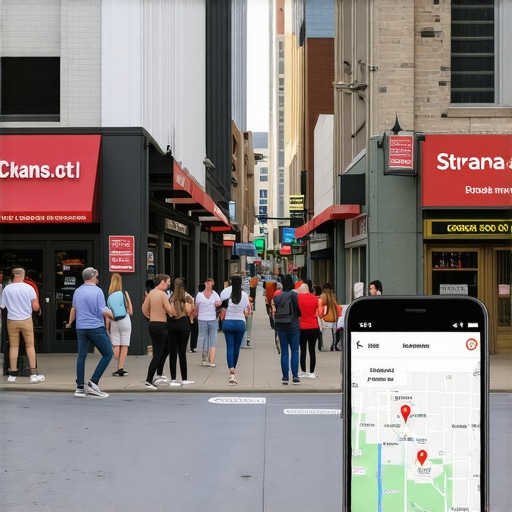
My Journey with Google Maps in Kansas: A Personal Perspective
When I first started exploring how to elevate my local business in Kansas, I was overwhelmed by the myriad of online tools available. Among them, Google Maps stood out as a game-changer. I vividly recall the day I claimed my Google My Business listing and realized its potential to connect with local customers. It was a pivotal moment that set me on a path to mastering local SEO strategies tailored for Kansas City and beyond.
Why Google Maps Is Crucial for Kansas-Based Businesses
Living in Kansas and running a small business, I learned that being visible on Google Maps can significantly increase foot traffic and online inquiries. According to Kansas City Local SEO experts, optimizing your Google Maps profile isn’t just about listing your address; it’s about creating a comprehensive local presence. This insight pushed me to refine my strategy and focus on local search optimization.
Proven Tips I Use to Dominate Google Maps in Kansas
How Do I Optimize My Google My Business Listing for Kansas City?
First, I made sure every detail was accurate—business name, address, phone number, and operating hours. I also uploaded high-quality photos regularly and encouraged satisfied customers to leave reviews. Engaging with reviews by responding thoughtfully has helped boost my credibility and search ranking. Additionally, I utilized keywords specific to Kansas City and Missouri, which helped my business appear in relevant local searches.
Implementing local SEO tactics outlined in this comprehensive guide truly made a difference. I noticed improvements in visibility, especially when I kept my profile updated and consistent across all platforms.
What Are the Common Pitfalls to Avoid When Using Google Maps?
One mistake I frequently see others make is neglecting to verify their listing or failing to keep information current. Outdated hours or incorrect addresses can harm your local reputation. Moreover, ignoring customer reviews—both positive and negative—can prevent your profile from reaching its full potential. Trust me, staying proactive and engaging with your audience is key to dominating local searches.
Ready to Elevate Your Kansas Business on Google Maps?
If you’re serious about boosting your local presence, don’t hesitate to get expert help. You can reach out to Kansas City SEO specialists who can guide you through the process. Remember, effective Google Maps optimization can be a powerful tool for your growth, especially with the right strategies in place. Share your experiences or ask questions in the comments—I’d love to hear how you’re leveraging Google Maps for your Kansas business!
Leveraging Local Keywords for Kansas City Google Maps Domination
One of the most nuanced aspects of local SEO in Kansas City is the strategic use of keywords that resonate with the local audience. While including your city name and neighborhood is essential, incorporating long-tail keywords that reflect specific services or community interests can significantly improve your visibility. For example, instead of just “plumbing services,” use “emergency plumbing repair in Westport, Kansas City.” This targeted approach not only attracts qualified leads but also aligns with how local consumers search for services.
How Can Customer Engagement Elevate Your Google Maps Ranking?
Engagement remains a critical factor in local search algorithms. Responding promptly to reviews, both positive and negative, demonstrates active management and builds trust. Encouraging satisfied customers to leave detailed reviews with relevant keywords can boost your profile’s authority. Additionally, hosting local events or promotions and mentioning them in your Google My Business posts creates fresh content that signals activity to Google, improving your chances of ranking higher in local searches. Remember, Google favors businesses that foster a vibrant, active community presence.
What Are the Advanced Tactics for Local Map Pack Visibility?
Beyond basic optimization, advanced tactics include leveraging Google Q&A to proactively answer common customer questions, which can influence local ranking signals. Embedding Google Maps on your website and ensuring consistent NAP (Name, Address, Phone number) across all online platforms reinforces your local relevance. For businesses looking to elevate their game further, integrating localized schema markup can provide search engines with detailed information about your business, enhancing your chances to appear in the Google Local Pack. For comprehensive insights and step-by-step guides, consider consulting resources like this authoritative guide.
Are You Utilizing All Available Features to Maximize Local Visibility?
Many local businesses overlook features like booking integrations, product listings, or service menus within their Google My Business profile. Fully utilizing these features can make your profile more comprehensive and user-friendly, increasing engagement and conversions. Additionally, posting regular updates about new products, services, or community involvement keeps your profile fresh and relevant. Remember, Google rewards active profiles with higher visibility, which translates into more foot traffic and inquiries.

Image showing a well-optimized Google My Business profile with local keywords, reviews, and posts, illustrating effective local SEO practices.
If you’re eager to refine your Kansas City Google Maps strategy, don’t hesitate to seek expert advice. Visit our contact page for personalized support. Sharing your experiences or asking questions in the comments can also provide valuable insights for fellow local business owners striving for success.
Deepening My Understanding: The Nuances of Local Search Algorithms in Kansas City
Over the years, I’ve come to realize that mastering Google Maps isn’t just about basic optimization; it requires a nuanced understanding of local search algorithms, especially in a vibrant market like Kansas City. I remember experimenting with various techniques, such as leveraging Google Posts more strategically or optimizing for voice search, which is rapidly gaining traction among local users. These tactics, coupled with a consistent engagement strategy, helped me refine my local SEO efforts and stay ahead of competitors.
What Does It Really Take to Sustain Long-Term Visibility on Google Maps?
Sustaining visibility in Google Maps is akin to nurturing a garden—regular attention, timely updates, and engaging with your community are essential. I found that periodically auditing my profile for outdated info, responding to new reviews promptly, and adding fresh content through posts kept my listing active and relevant. Additionally, I delved into the importance of local backlinks—getting mentions from local blogs or community websites—which solidified my credibility and boosted my rankings. For those interested, exploring advanced tactics like localized schema markup can further enhance your profile’s authority, as discussed in this detailed guide.
How Can I Use Customer Data to Fine-Tune My Google Maps Strategy?
Analyzing customer interactions and search patterns provides invaluable insights. For instance, I noticed that many local searches included specific neighborhood names combined with service keywords. Using this data, I tailored my keywords and Google My Business categories to match these search intents more precisely. Tools like Google Insights or third-party analytics can help you uncover these patterns, allowing you to adapt your strategy dynamically. This personalized approach, rooted in data, has significantly improved my local visibility and conversion rates.
Furthermore, I discovered that integrating your Google Maps profile with your website’s local landing pages creates a seamless experience for users and reinforces your local relevance. This synergy not only improves your SEO but also builds trust with your community. To explore comprehensive strategies, I recommend reviewing this ultimate guide.
Personal Reflection: The Power of Authentic Community Engagement
One of the most rewarding aspects of optimizing Google Maps has been witnessing genuine community engagement. When I started participating in local events, sponsoring community initiatives, or even just engaging authentically through reviews, I noticed a tangible boost in my profile’s activity and trustworthiness. Google’s algorithm seems to favor businesses that foster real connections and show ongoing commitment to their local community. Sharing these experiences, I encourage fellow business owners to look beyond mere rankings and focus on building meaningful relationships. After all, local SEO is as much about community as it is about keywords and backlinks.
If you’re passionate about elevating your Kansas City business, I invite you to share your own experiences or ask questions in the comments. For personalized support, don’t hesitate to visit our contact page—we’re here to help you thrive in the local search landscape.
Harnessing Local Data for Precision Google Maps Optimization in Kansas City
One of the most transformative realizations in my journey has been the power of integrating detailed customer data to refine my Google Maps strategy. By carefully analyzing search patterns and interaction metrics—such as which neighborhoods attract more inquiries—I was able to tailor my keyword targeting and service descriptions more precisely. Tools like Google Insights and third-party analytics platforms provided me with invaluable insights into local consumer behavior, allowing me to adapt my approach dynamically. This data-driven personalization not only elevated my visibility but also boosted engagement, reinforcing my local relevance and trustworthiness.
Embedding localized schema markup on my website further amplified these efforts, providing search engines with granular details about my business. This technique has been instrumental in enhancing my profile’s prominence in the local pack, especially when combined with consistent NAP (Name, Address, Phone number) management across all platforms. For those eager to explore this sophisticated dimension of local SEO, I recommend reviewing this comprehensive guide.
The Art of Authentic Community Engagement and Its Impact on Rankings
Deepening my understanding of Google’s algorithms revealed that genuine community involvement could significantly influence local rankings. Participating in local events, sponsoring community initiatives, or simply engaging authentically through reviews fostered a sense of trust and loyalty among my customers. Google’s algorithm appears to favor businesses that demonstrate ongoing, meaningful community engagement, perceiving them as trustworthy and active contributors to the local fabric.
Sharing these authentic experiences publicly not only humanized my brand but also created a ripple effect, encouraging others to support my business. I found that regular updates about community involvement, combined with proactive review management, created a vibrant profile that Google’s algorithm rewarded with higher visibility in the local pack. For fellow business owners aiming to build this authentic connection, I encourage you to leverage the insights shared in this expert resource.
Mastering Voice Search and Its Potential for Kansas City Local SEO
Another frontier I’ve explored extensively is voice search optimization. With the proliferation of voice assistants like Google Assistant and Siri, optimizing for voice queries has become essential. I started incorporating conversational long-tail keywords that mirror natural speech patterns, such as “Where is the best coffee shop near Westport in Kansas City?” This approach aligns well with how local consumers seek services and helps my business appear in voice search results, which often trigger the coveted Google Local Pack.
Research by local SEO experts emphasizes that optimizing for voice search requires a nuanced understanding of user intent and natural language. As voice search continues to grow, integrating this strategy into your overall local SEO plan can ensure sustained visibility and competitive advantage.
How Can I Leverage Google’s Q&A Feature to Outperform Competitors in Kansas City?
Google’s Questions & Answers feature presents a unique opportunity to proactively address common customer inquiries, thereby influencing your local rankings. By thoughtfully populating this section with relevant, keyword-rich responses, I was able to improve my profile’s relevance and authority. Regularly monitoring and updating these Q&As ensures that my profile remains active and engaging, signaling Google that my business is vibrant and customer-focused. For an in-depth walkthrough of optimizing this feature, I recommend consulting this authoritative guide.
If you’re serious about elevating your Kansas City business’s local visibility, I invite you to share your experiences or ask questions in the comments. For personalized, expert guidance tailored to your specific market, please visit our contact page. Together, we can unlock the full potential of Google Maps and local SEO to propel your business forward.
Things I Wish I Knew Earlier (or You Might Find Surprising)
The Power of Consistency
One of the biggest lessons I learned on my journey with Google Maps is that consistency in updating and managing your profile can make or break your local visibility. I used to overlook regular posts or reviews, but once I committed to keeping my profile active, I saw a steady rise in local inquiries. It’s like watering a plant — the more attention you give, the healthier it grows.
Local Keywords Are Your Hidden Treasure
While I initially focused on broad keywords, I discovered that integrating specific neighborhood or community names dramatically improved my local rankings. Phrases like “Westport coffee shop” or “Kansas City’s best plumber” attracted more targeted traffic and qualified leads than generic keywords ever did.
Engaging with Reviews Builds Community
Responding thoughtfully to reviews, especially negative ones, not only shows you care but also boosts your profile’s credibility. I found that genuine engagement turned occasional customers into loyal community members, which resonated positively in Google’s local algorithms.
The Small Details Matter
Accurate hours, correct address, and high-quality photos — these small details collectively influence your ranking and trustworthiness. I once had outdated hours listed, which caused confusion and lost business. Keeping this info current is worth the effort.
Voice Search Is a Growing Opportunity
Optimizing for voice search by using natural language and long-tail keywords opened new doors for my business. Many local searches now happen through voice assistants, and tailoring my content for this trend helped me stay ahead of the curve.
Community Engagement Translates to Better Rankings
Participating in local events or sponsoring community initiatives enriched my profile with authentic content and positive signals for Google. Building real relationships in the community proved to be one of the most rewarding strategies I employed.
Resources I’ve Come to Trust Over Time
- Kansas City Local SEO Experts: Their detailed guides and case studies helped me understand the nuances of local SEO specific to Kansas City. I recommend their website as a starting point for any local business owner.
- Google’s Official My Business Help Center: This resource offers direct insights from Google, making it trustworthy and up-to-date. It’s my go-to for troubleshooting and learning about new features.
- Moz Local SEO Resources: Moz’s blog and tools provided me with broader SEO strategies that complement my local efforts. Their advice is practical and backed by data.
- Neil Patel’s Blog: Neil’s articles on local SEO tactics and voice search optimization inspired me to experiment with new approaches and stay innovative.
Parting Thoughts from My Perspective
My journey with Google Maps in Kansas City has been eye-opening. It’s clear that local SEO and Google My Business optimization aren’t just about rankings — they’re about building trust, engaging with your community, and staying adaptable to new trends like voice search. If you’re willing to put in the effort, the rewards go beyond increased visibility; you create genuine connections that foster long-term growth. If this resonates with you, I’d love to hear your thoughts or experiences. Feel free to share or ask questions in the comments, and don’t hesitate to reach out for personalized help. Let’s grow together in this vibrant local landscape!

Reading this post really resonated with my experience in managing a local cafe in Topeka. I completely agree that claiming and optimizing your Google My Business listing is foundational—paying attention to details like high-quality photos and timely responses to reviews truly makes a difference. I’ve found that encouraging loyal customers to leave detailed reviews with specific keywords about our neighborhood has helped us attract not just more foot traffic but also engaged local patrons who feel connected to our community. The insight about voice search is particularly interesting; I’ve started experimenting with more natural language keywords in my website content for that reason. Has anyone else noticed a significant shift in local inquiries after optimizing for voice search? I’d love to hear other tips on refining these strategies for small, community-focused businesses like mine.
This post really hit home for me, especially the part about community engagement. I run a small bakery in Wichita and have seen firsthand how participating in local events and encouraging reviews with specific keywords related to our neighborhood can truly make a difference in visibility. I’ve also been experimenting with Google Q&A to address common customer questions proactively, which seems to add a layer of trust and accessibility to our profile. However, I still struggle with balancing this active engagement without it becoming overwhelming. Has anyone found effective ways to streamline responses to reviews or manage Google Posts regularly? Also, I’m curious about how voice search optimization has changed local marketing. For small businesses like ours, what are the best steps to start targeting voice queries naturally? Would love to hear insights or experiences from others who’ve been through this transition.